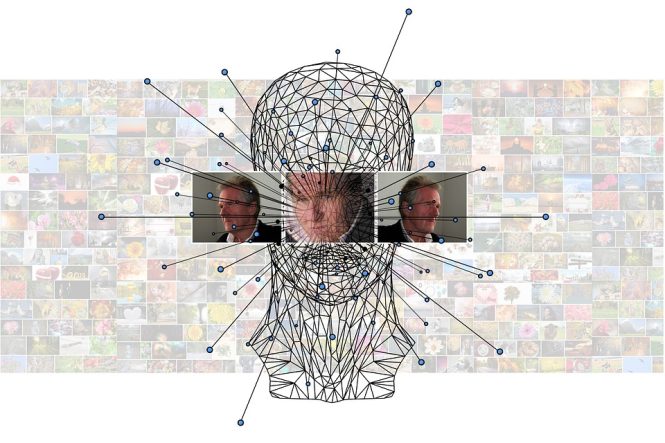
The AI Revolution: How Machine Learning is Changing the World
The world is on the cusp of a revolution, one that is being driven by the rapid advancements in artificial intelligence (AI) and machine learning (ML). This revolution is transforming the way we live, work, and interact with each other, and its impact is being felt across various industries and aspects of our lives. In this article, we will explore the significance of the AI revolution, its current state, and the potential implications it holds for the future.
What is Machine Learning?
Machine learning is a subset of artificial intelligence that enables systems to learn from data and improve their performance over time. It involves the use of algorithms and statistical models to enable machines to make predictions, classify objects, and make decisions without being explicitly programmed. Machine learning has become a crucial component of the AI revolution, as it allows systems to learn from vast amounts of data and adapt to new situations.
Impact on Industries
The AI revolution is having a profound impact on various industries, including:
- Healthcare: Machine learning is being used to develop personalized medicine, diagnose diseases, and improve patient outcomes. For example, AI-powered algorithms can analyze medical images to detect diseases such as cancer, and predict patient responses to different treatments.
- Finance: AI is being used to detect fraud, predict market trends, and optimize investment portfolios. For instance, machine learning algorithms can analyze financial data to identify patterns and anomalies, enabling banks and financial institutions to make more informed decisions.
- Transportation: Self-driving cars and trucks are being developed using machine learning algorithms that can analyze sensor data and make decisions in real-time.
- Education: AI-powered adaptive learning systems are being used to personalize education, improve student outcomes, and enhance the learning experience.
Current State of the AI Revolution
The AI revolution is gaining momentum, with significant advancements being made in recent years. Some of the key developments include:
- Deep Learning: The development of deep learning algorithms has enabled machines to learn from large amounts of data and make accurate predictions.
- Natural Language Processing: AI-powered chatbots and virtual assistants are being used to improve customer service, answer questions, and provide personalized recommendations.
- Computer Vision: Machine learning algorithms are being used to analyze images and videos, enabling applications such as facial recognition, object detection, and autonomous vehicles.
Potential Implications
The AI revolution holds significant potential for transforming various aspects of our lives. Some of the potential implications include:
- Job Displacement: The automation of jobs could lead to significant job displacement, particularly in industries where tasks are repetitive or can be easily automated.
- Improved Productivity: AI and machine learning could lead to significant improvements in productivity, enabling businesses to operate more efficiently and effectively.
- Enhanced Decision-Making: AI-powered systems could provide decision-makers with more accurate and informed insights, enabling better decision-making.
- New Opportunities: The AI revolution could create new opportunities for entrepreneurship, innovation, and economic growth.
Challenges and Concerns
While the AI revolution holds significant potential, there are also challenges and concerns that need to be addressed. Some of the key challenges include:
- Bias and Fairness: AI systems can perpetuate biases and discriminate against certain groups, highlighting the need for fairness and transparency in AI decision-making.
- Security: AI systems can be vulnerable to cyber attacks and data breaches, highlighting the need for robust security measures.
- Regulation: The lack of regulation and standards for AI development and deployment could lead to unintended consequences and risks.
- Ethics: The development and deployment of AI raises significant ethical concerns, including issues related to privacy, autonomy, and accountability.
Conclusion
The AI revolution is transforming the world, with machine learning being a key driver of this transformation. While there are challenges and concerns that need to be addressed, the potential implications of the AI revolution are significant. As we move forward, it is essential to prioritize fairness, transparency, and accountability in AI development and deployment, and to ensure that the benefits of the AI revolution are shared by all. Ultimately, the AI revolution has the potential to create a better future for humanity, one that is more efficient, productive, and equitable.