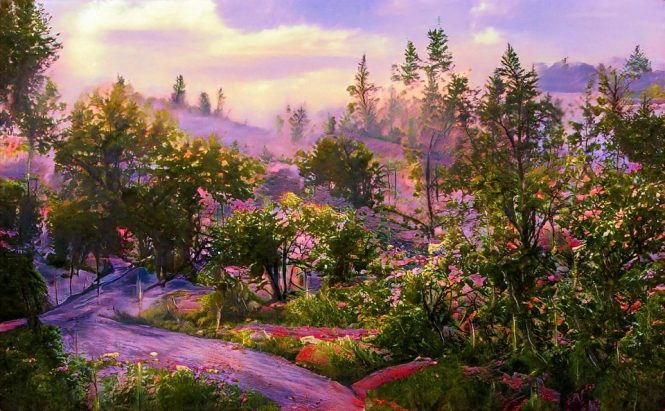
Unraveling the Mysteries of Digital Art: A Deep Dive into the World of Code, Color, and Light
The world of digital art has long been shrouded in mystery, with many of us mesmerized by the dazzling visuals and innovative techniques that seem to defy the boundaries of traditional art forms. As technology continues to advance at breakneck speed, digital art has evolved into a vibrant and dynamic medium that is redefining the way we create, experience, and interact with art. In this article, we will embark on a journey to unravel the mysteries of digital art, exploring the intricate web of code, color, and light that underlies this captivating world.
The Code Behind the Canvas
At the heart of digital art lies the language of code, a complex syntax that provides the foundation for the creation of stunning visuals. Artists use programming languages such as Java, Python, and C++ to craft intricate algorithms that generate patterns, shapes, and colors. These codes are then translated into a visual language, giving rise to breathtaking works of art that seem to pulse with life.
One of the pioneers of digital art, Joshua Davis, has been experimenting with code-based art since the 1990s. His work, which combines elements of generative art, data visualization, and interactive design, has inspired a new generation of digital artists to explore the possibilities of code-based creativity. “Code is not just a tool, it’s a medium,” Davis explains. “It allows me to create art that is dynamic, interactive, and constantly evolving.”
The Palette of Color
Color is a fundamental element of digital art, with artists using a vast array of hues, shades, and textures to create immersive and emotive experiences. Digital art has opened up new possibilities for color experimentation, allowing artists to manipulate and combine colors in ways that were previously impossible with traditional media.
The work of digital artist, Refik Anadol, is a testament to the power of color in digital art. His stunning installations, which use data visualization and machine learning algorithms to generate vibrant, swirling patterns, have captivated audiences around the world. “Color is not just a visual element, it’s an emotional trigger,” Anadol explains. “It can evoke feelings, memories, and emotions, and I use it to create immersive experiences that transport viewers to new worlds.”
The Dance of Light
Light is another essential component of digital art, with artists using a range of techniques to create dazzling displays of illumination. From the subtle glow of LED lights to the vibrant beams of laser projections, light has become a key element in the creation of immersive digital art experiences.
The work of digital artist, Anthony McCall, is a prime example of the power of light in digital art. His installations, which use projected light to create three-dimensional sculptures, have redefined the way we experience and interact with art. “Light is not just a physical phenomenon, it’s a metaphorical one,” McCall explains. “It can represent the invisible, the intangible, and the unknown, and I use it to create art that is both physical and ephemeral.”
The Future of Digital Art
As technology continues to evolve, the possibilities for digital art are expanding exponentially. The rise of virtual and augmented reality, artificial intelligence, and machine learning is opening up new avenues for creative expression, and artists are embracing these technologies to push the boundaries of what is possible.
The future of digital art is likely to be shaped by the intersection of art, technology, and science. As artists continue to experiment with new tools and techniques, we can expect to see even more innovative and breathtaking works of art that challenge our perceptions and inspire our imagination. “Digital art is not just a medium, it’s a way of thinking,” says digital artist, Ryoji Ikeda. “It’s a way of exploring the world, of questioning reality, and of creating new possibilities.”
Conclusion
Unraveling the mysteries of digital art is a journey that takes us to the very heart of creativity, innovation, and technology. As we delve deeper into the world of code, color, and light, we discover a realm of endless possibility, where art and science converge to create something entirely new and original. Whether you are an artist, a technologist, or simply a curious observer, the world of digital art has something to offer, and its future is brighter than ever.