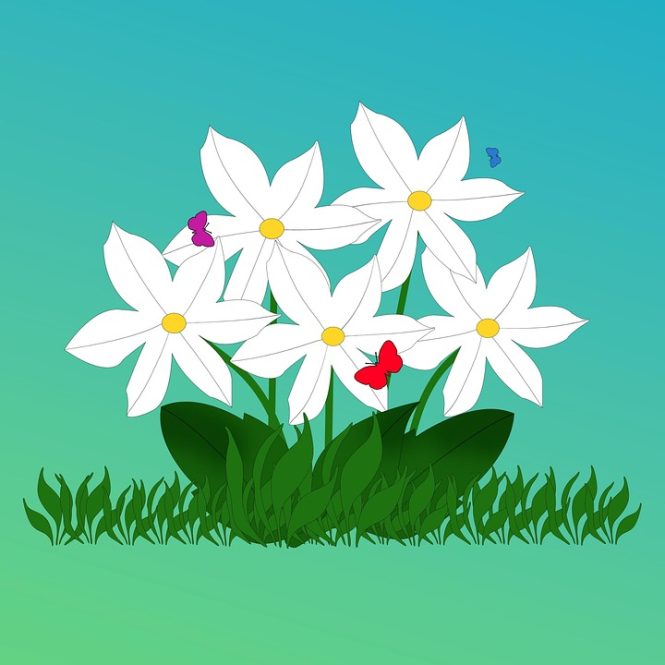
Digital Art: The New Frontier of Creative Expression and Self-Discovery
In the ever-evolving landscape of art, a new frontier has emerged, revolutionizing the way we create, express, and interact with artistic endeavors. Digital art, a medium that has been gaining momentum over the past few decades, has become a powerful tool for creative expression and self-discovery. With its limitless possibilities and accessibility, digital art has democratized the art world, allowing artists from all walks of life to showcase their talents and connect with a global audience.
The Rise of Digital Art
Digital art, also known as computer-generated art or new media art, encompasses a wide range of creative expressions, including graphic design, digital painting, photography, animation, and virtual reality experiences. The advent of digital tools and software has made it possible for artists to produce high-quality work without the need for traditional materials like paint, canvas, or film. This shift has opened up new avenues for artistic experimentation and innovation, enabling artists to push the boundaries of what is possible.
Creative Expression and Self-Discovery
Digital art offers a unique platform for creative expression and self-discovery. The digital medium allows artists to explore new forms of storytelling, experiment with different styles and techniques, and convey complex emotions and ideas in a highly engaging and immersive way. The process of creating digital art can be therapeutic and meditative, providing an outlet for artists to express their inner thoughts and feelings.
Moreover, digital art has made it possible for artists to connect with a global audience, transcending geographical and cultural boundaries. Online platforms, social media, and digital exhibitions have created new opportunities for artists to showcase their work, receive feedback, and build a community around their art. This has led to a proliferation of diverse perspectives and styles, enriching the digital art landscape and inspiring new generations of artists.
Technological Advancements and Digital Art
The rapid advancement of technology has played a significant role in the evolution of digital art. Improvements in software, hardware, and internet connectivity have enabled artists to create complex, high-resolution, and interactive digital artworks. The development of virtual reality (VR) and augmented reality (AR) technologies has further expanded the possibilities of digital art, allowing artists to create immersive and interactive experiences that simulate real-world environments.
The Impact of Digital Art on Traditional Art Forms
The rise of digital art has also had a profound impact on traditional art forms. Many traditional artists have begun to incorporate digital tools and techniques into their work, experimenting with new mediums and styles. This fusion of traditional and digital art has given birth to new and exciting forms of artistic expression, such as digital painting, digital sculpture, and hybrid art.
Challenges and Opportunities
While digital art offers a wealth of creative possibilities, it also presents several challenges. The ease of digital art creation and dissemination has led to concerns about copyright, ownership, and authenticity. The digital art market is also highly competitive, with many artists struggling to gain recognition and make a living from their work.
However, these challenges also present opportunities for innovation and growth. The development of blockchain technology and non-fungible tokens (NFTs) has created new ways for artists to monetize their digital art and ensure ownership and authenticity. Online platforms and communities have also emerged, providing support, resources, and networking opportunities for digital artists.
Conclusion
Digital art has revolutionized the way we create, express, and interact with artistic endeavors. This new frontier of creative expression and self-discovery has democratized the art world, providing a platform for artists from all walks of life to showcase their talents and connect with a global audience. As technology continues to evolve and improve, the possibilities for digital art will only continue to expand, offering new and exciting opportunities for artists, collectors, and enthusiasts alike. Whether you are an artist, a curator, or simply an art lover, the world of digital art is an exciting and dynamic place to explore, and its impact on the art world will only continue to grow in the years to come.