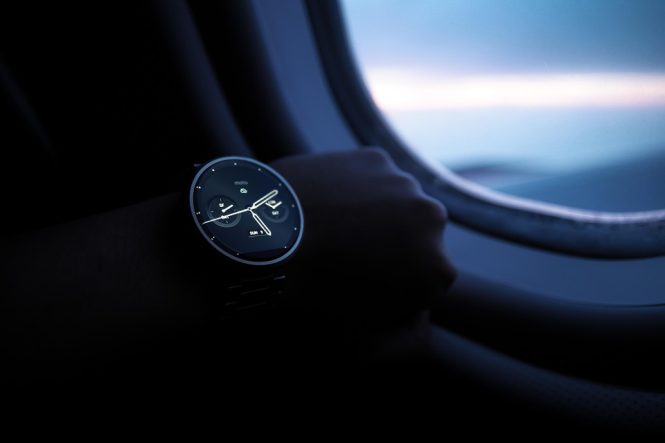
The Future of Timekeeping: How Smartwatches are Changing the Way We Live
For centuries, timekeeping has been an essential part of human life. From sundials to mechanical watches, our methods of keeping track of time have evolved significantly over the years. Today, smartwatches are revolutionizing the way we live, work, and interact with time. With their advanced features, sleek designs, and increasing popularity, smartwatches are transforming the traditional concept of timekeeping and redefining the way we experience time.
The Rise of Smartwatches
Smartwatches have come a long way since their introduction in the early 2000s. Initially, they were seen as a novelty item, but with the release of the Apple Watch in 2015, the market exploded. Today, there are numerous smartwatch brands and models available, catering to different needs, styles, and budgets. According to a recent report, the global smartwatch market is expected to reach $43.8 billion by 2025, with an estimated 245 million units sold worldwide.
Changing the Way We Live
Smartwatches are not just time-telling devices; they are wearable computers that have transformed the way we live our daily lives. Here are some ways smartwatches are changing the game:
- Fitness and Health Tracking: Smartwatches have become an essential tool for fitness enthusiasts and health-conscious individuals. They can track heart rate, steps taken, calories burned, and other vital signs, providing valuable insights into our physical activity and overall well-being.
- Notification Management: Smartwatches allow users to receive notifications from their smartphones, enabling them to stay connected without constantly checking their phones. This feature has reduced distractions and increased productivity, as users can quickly glance at their watch to see if a notification is important or not.
- Mobile Payments: Many smartwatches now support mobile payments, such as Apple Pay, Google Pay, and Samsung Pay, making it easy to make transactions on the go.
- Music and Entertainment: Smartwatches can store music, podcasts, and other audio content, allowing users to enjoy their favorite tunes while exercising or commuting.
- Navigation and Directions: With built-in GPS, smartwatches can provide turn-by-turn directions, making it easier to navigate unfamiliar areas.
The Future of Timekeeping
As technology advances, smartwatches will continue to evolve and become even more integrated into our daily lives. Some potential future developments include:
- Advanced Health Monitoring: Smartwatches may soon be able to detect health conditions such as diabetes, high blood pressure, and heart disease, enabling early intervention and prevention.
- Artificial Intelligence: AI-powered smartwatches could learn our habits and preferences, providing personalized recommendations and suggestions to improve our daily routines.
- Augmented Reality: Smartwatches may incorporate augmented reality (AR) features, allowing users to interact with virtual objects and information in their surroundings.
- Longer Battery Life: Advances in battery technology will enable smartwatches to last longer, reducing the need for frequent charging and making them more convenient to use.
Conclusion
Smartwatches have revolutionized the way we keep track of time and interact with the world around us. With their advanced features, sleek designs, and increasing popularity, they are transforming the traditional concept of timekeeping and redefining the way we experience time. As technology continues to advance, we can expect smartwatches to become even more integrated into our daily lives, providing new and innovative ways to manage our time, health, and relationships. Whether you’re a fitness enthusiast, a busy professional, or simply someone who wants to stay connected, smartwatches are an essential tool for navigating the modern world.