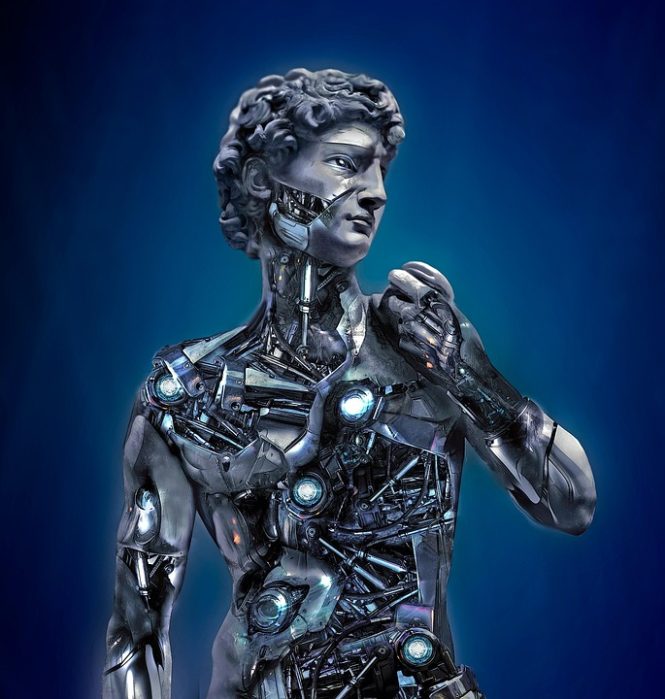
Mind-Controlled Tech: Neural Interfaces Unlock New Possibilities for People with Disabilities
In recent years, the field of neural interfaces has experienced a significant breakthrough, revolutionizing the way people with disabilities interact with technology. Mind-controlled tech, also known as brain-computer interfaces (BCIs), has emerged as a game-changer, enabling individuals with paralysis, ALS, and other motor disorders to communicate, control devices, and even regain independence. In this article, we will delve into the world of neural interfaces, exploring the latest advancements, benefits, and potential applications of this innovative technology.
What are Neural Interfaces?
Neural interfaces are systems that enable people to control devices or communicate through their brain signals. These interfaces use electroencephalography (EEG), electrocorticography (ECoG), or other techniques to detect and decode neural activity, allowing users to interact with computers, prosthetic limbs, or other devices. Neural interfaces can be invasive, partially invasive, or non-invasive, depending on the type of electrode used and the level of surgical intervention required.
Applications for People with Disabilities
For individuals with disabilities, neural interfaces offer a new lease on life. Those with:
- Paralysis: Can control wheelchairs, communicate through text or speech, or even operate prosthetic limbs using their thoughts.
- ALS (Amyotrophic Lateral Sclerosis): Can interact with computers, send messages, or control their environment, despite losing motor function.
- Muscular Dystrophy: Can control devices, such as computers or smartphones, using their brain signals, improving their quality of life.
- Cerebral Palsy: Can communicate more effectively, using neural interfaces to generate speech or text.
Recent Breakthroughs
Several recent advancements have made neural interfaces more accessible and effective:
- Non-invasive EEG headsets: Allow users to control devices without surgical intervention, making the technology more accessible to a broader audience.
- High-resolution brain-computer interfaces: Enable more precise control and faster communication, thanks to advanced algorithms and sensor technologies.
- Implantable neural interfaces: Provide more stable and long-term solutions for individuals with severe motor disorders, such as paralysis or ALS.
- Neural decoding algorithms: Improve the accuracy and speed of brain signal interpretation, allowing for more seamless interaction with devices.
Benefits and Future Possibilities
The benefits of neural interfaces are numerous:
- Improved communication: Enabling individuals with disabilities to express themselves more effectively, reducing feelings of isolation and frustration.
- Increased independence: Allowing users to control their environment, manage daily tasks, and participate in activities they thought were impossible.
- Enhanced quality of life: Neural interfaces can improve mental and emotional well-being, enabling individuals to engage in hobbies, socialize, and pursue their passions.
- Potential for rehabilitation: Neural interfaces may aid in the recovery of motor function, as users can practice and relearn skills through brain-controlled interactions.
As research continues to advance, we can expect to see even more innovative applications of neural interfaces, such as:
- Exoskeletons: Mind-controlled prosthetic limbs that can be controlled by users with paralysis or muscular dystrophy.
- Neural prosthetics: Implantable devices that can restore vision, hearing, or other senses.
- Brain-controlled robots: Robots that can be controlled by individuals with disabilities, enabling them to interact with their environment in new ways.
Conclusion
Mind-controlled tech, through neural interfaces, has opened up new possibilities for people with disabilities, enhancing their quality of life, independence, and communication. As this technology continues to evolve, we can expect to see even more groundbreaking applications, transforming the lives of individuals with paralysis, ALS, and other motor disorders. With ongoing research and innovation, the future of neural interfaces looks brighter than ever, promising a more inclusive and accessible world for all.