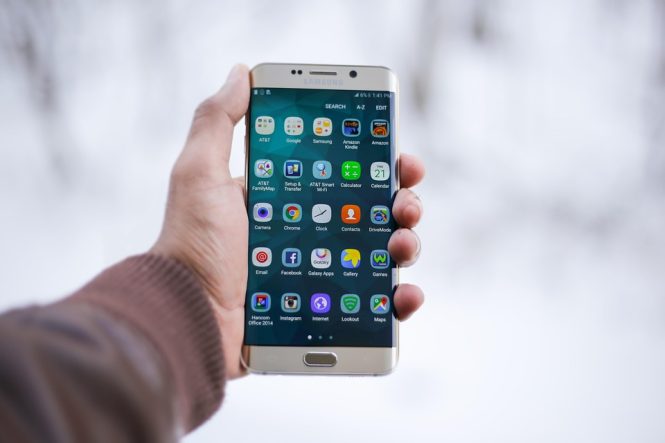
How the Retail Industry Is Using Mobile Apps to Drive Business Growth
The retail industry has undergone a significant transformation in recent years, driven by the rise of e-commerce and changing consumer behaviors. One key factor contributing to this shift is the increasing adoption of mobile apps by retailers to drive business growth. In this article, we will explore how the retail industry is leveraging mobile apps to enhance customer engagement, improve operational efficiency, and ultimately boost sales.
Enhanced Customer Experience
Mobile apps have become an essential tool for retailers to provide a seamless and personalized shopping experience to their customers. By offering a user-friendly and intuitive interface, mobile apps enable customers to browse products, check prices, and make purchases on-the-go. Retailers can also use mobile apps to offer exclusive discounts, promotions, and loyalty programs, fostering a sense of loyalty and encouraging repeat business.
For instance, fashion retailer Sephora’s mobile app allows customers to virtually try on makeup and skincare products, providing a unique and engaging experience. Similarly, home improvement retailer Home Depot’s mobile app enables customers to check product availability, prices, and reviews, making it easier for them to make informed purchasing decisions.
Streamlined Operations
Mobile apps can also help retailers streamline their operations, improving efficiency and reducing costs. By providing a mobile platform for employees to manage inventory, process transactions, and access customer data, retailers can enhance their overall operational performance. For example, grocery retailer Walmart’s mobile app allows employees to manage inventory levels, track sales, and receive alerts on promotions and discounts, enabling them to make data-driven decisions.
Data-Driven Insights
Mobile apps provide retailers with a wealth of data on customer behavior, preferences, and purchasing patterns. By analyzing this data, retailers can gain valuable insights into their customers’ needs and preferences, enabling them to develop targeted marketing campaigns and optimize their product offerings. For instance, coffee retailer Starbucks’ mobile app uses data analytics to offer personalized recommendations and promotions to customers, increasing average transaction value and customer loyalty.
Key Benefits of Mobile Apps in Retail
The benefits of mobile apps in retail are numerous, including:
- Increased customer engagement: Mobile apps provide a direct channel for retailers to interact with customers, fostering a sense of loyalty and encouraging repeat business.
- Improved operational efficiency: Mobile apps can help retailers streamline their operations, reducing costs and improving overall performance.
- Enhanced data analytics: Mobile apps provide retailers with valuable insights into customer behavior and preferences, enabling them to develop targeted marketing campaigns and optimize their product offerings.
- Increased sales: Mobile apps can drive sales by providing customers with a convenient and seamless shopping experience, as well as offering exclusive discounts and promotions.
Best Practices for Retailers
To maximize the benefits of mobile apps, retailers should follow these best practices:
- Develop a user-friendly interface: Ensure that the mobile app is easy to navigate and provides a seamless user experience.
- Offer exclusive content and promotions: Use the mobile app to offer exclusive discounts, promotions, and loyalty programs, fostering a sense of loyalty and encouraging repeat business.
- Integrate with existing systems: Ensure that the mobile app integrates with existing systems, such as inventory management and customer relationship management (CRM) systems.
- Monitor and analyze data: Use data analytics to gain insights into customer behavior and preferences, enabling retailers to develop targeted marketing campaigns and optimize their product offerings.
Conclusion
The retail industry is undergoing a significant transformation, driven by the rise of e-commerce and changing consumer behaviors. Mobile apps have become a critical component of this transformation, providing retailers with a direct channel to interact with customers, streamline operations, and drive business growth. By following best practices and leveraging the benefits of mobile apps, retailers can enhance customer engagement, improve operational efficiency, and ultimately boost sales. As the retail industry continues to evolve, it is clear that mobile apps will play an increasingly important role in driving business growth and success.