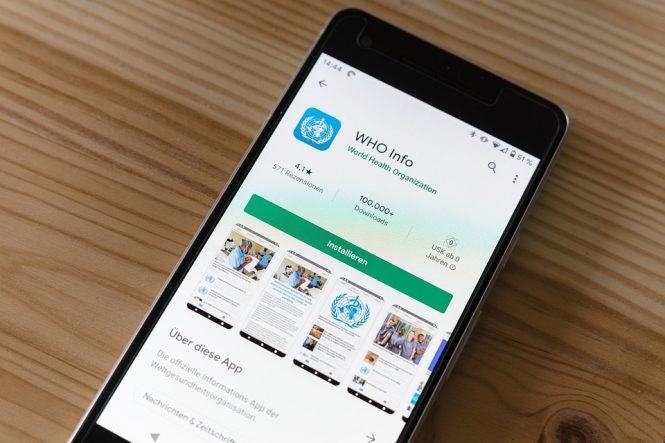
The healthcare industry has undergone significant transformations in recent years, and one of the key drivers of this change is the proliferation of mobile apps. Mobile apps have revolutionized the way healthcare professionals and patients interact, access information, and manage healthcare services. In this article, we will explore the impact of mobile apps on the healthcare industry and how they are changing the landscape of healthcare delivery.
Increased Access to Healthcare Services
Mobile apps have made it possible for patients to access healthcare services remotely, reducing the need for in-person visits to hospitals and clinics. Telemedicine apps, such as Teladoc and American Well, allow patients to consult with healthcare professionals via video conferencing, reducing wait times and increasing access to specialist care. Additionally, apps like Zocdoc and Healthgrades enable patients to book appointments and find healthcare providers in their area, making it easier to manage healthcare needs.
Improved Patient Engagement
Mobile apps are also improving patient engagement and empowerment. Apps like MyFitnessPal and Lose It! allow patients to track their diet, exercise, and weight, providing valuable insights into their health and wellbeing. Other apps, such as Medisafe and Pill Reminder, help patients manage their medications and adherence to treatment plans. By taking a more active role in their healthcare, patients are better equipped to manage chronic conditions and prevent illnesses.
Enhanced Clinical Decision Support
Mobile apps are also changing the way healthcare professionals make clinical decisions. Apps like UpToDate and Epocrates provide healthcare professionals with access to evidence-based clinical information, enabling them to make more informed decisions at the point of care. Other apps, such as Medscape and Doximity, offer peer-to-peer networking and collaboration tools, facilitating knowledge sharing and best practice exchange.
Streamlined Clinical Workflows
Mobile apps are also streamlining clinical workflows, reducing administrative burdens, and improving productivity. Apps like NurseGrid and ShiftBoard enable healthcare professionals to manage their schedules, swap shifts, and communicate with colleagues, reducing staffing shortages and improving workforce management. Other apps, such as Trello and Asana, provide project management and collaboration tools, enabling healthcare teams to coordinate care and manage patient workflows more effectively.
Personalized Medicine and Genomics
Mobile apps are also enabling personalized medicine and genomics, allowing patients to take a more active role in their healthcare. Apps like 23andMe and AncestryDNA provide patients with access to genetic information, enabling them to make informed decisions about their health and wellbeing. Other apps, such as Apple Health and Google Fit, allow patients to track their health and fitness data, providing valuable insights into their health and wellbeing.
Challenges and Opportunities
While mobile apps have the potential to transform the healthcare industry, there are also challenges and opportunities that need to be addressed. Ensuring data security, interoperability, and regulatory compliance are critical issues that need to be addressed. Additionally, addressing health disparities and ensuring equal access to mobile healthcare services are essential for promoting health equity.
Conclusion
In conclusion, mobile apps are changing the healthcare industry in profound ways, improving access to healthcare services, patient engagement, clinical decision support, and clinical workflows. While there are challenges and opportunities that need to be addressed, the potential benefits of mobile apps in healthcare are significant. As the healthcare industry continues to evolve, it is likely that mobile apps will play an increasingly important role in shaping the future of healthcare delivery.