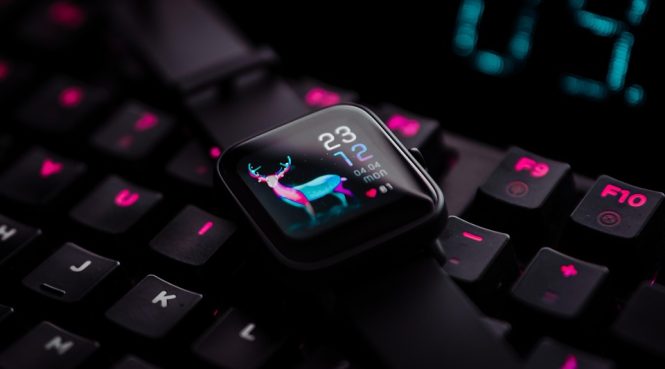
Smartwatch Security: How to Protect Your Device from Hackers and Malware
As the world becomes increasingly dependent on wearable technology, smartwatches have become a staple in many people’s daily lives. These devices offer a range of features, from tracking fitness and health metrics to receiving notifications and controlling music playback. However, with the increased functionality of smartwatches comes a growing concern about their security. In this article, we will explore the potential risks associated with smartwatch security and provide tips on how to protect your device from hackers and malware.
The Risks of Smartwatch Security Breaches
Smartwatches, like any other connected device, are vulnerable to cyber attacks. Hackers can exploit weaknesses in the device’s operating system, apps, or connectivity protocols to gain unauthorized access to your personal data. This can include sensitive information such as:
- Health and fitness data, including heart rate, location, and exercise routines
- Contact information and phone numbers
- Notification content, including emails, texts, and social media updates
- Payment information, if your smartwatch is connected to a mobile payment system
Moreover, smartwatches can also be used as a gateway to attack other devices connected to the same network. For example, if your smartwatch is connected to your smartphone, a hacker could potentially use the smartwatch as a bridge to access your phone’s data and apps.
Types of Smartwatch Security Threats
There are several types of security threats that can affect smartwatches, including:
- Malware attacks: Malicious software can be installed on your smartwatch, allowing hackers to steal your data or take control of your device.
- Unauthorized access: Hackers can gain access to your smartwatch’s data and features, including your location, contacts, and notification content.
- Man-in-the-middle (MitM) attacks: Hackers can intercept communication between your smartwatch and other devices, allowing them to eavesdrop on your data and potentially steal sensitive information.
- Denial of service (DoS) attacks: Hackers can overwhelm your smartwatch with traffic, causing it to become unresponsive or even crash.
How to Protect Your Smartwatch from Hackers and Malware
To protect your smartwatch from security breaches, follow these tips:
- Keep your smartwatch’s operating system and apps up to date: Regular updates often include security patches and bug fixes that can help protect your device from known vulnerabilities.
- Use strong passwords and authentication: Choose unique and complex passwords for your smartwatch and connected accounts, and enable two-factor authentication whenever possible.
- Be cautious when downloading apps: Only download apps from trusted sources, and read user reviews and permissions carefully before installing.
- Use a secure connection: When connecting your smartwatch to other devices or networks, use secure protocols such as Bluetooth Low Energy (BLE) or Wi-Fi Protected Access (WPA2).
- Disable unnecessary features: Turn off features such as Bluetooth, Wi-Fi, and location services when not in use to reduce the attack surface.
- Monitor your smartwatch’s activity: Regularly check your smartwatch’s activity logs and notification history to detect any suspicious activity.
- Use a smartwatch with built-in security features: Some smartwatches come with built-in security features such as encryption, secure boot, and intrusion detection.
- Back up your data: Regularly back up your smartwatch’s data to a secure location, such as a cloud storage service or a computer.
Best Practices for Smartwatch Security
In addition to the tips above, here are some best practices to keep in mind:
- Use a reputable smartwatch manufacturer: Choose a smartwatch from a reputable manufacturer that prioritizes security and provides regular updates and support.
- Read user reviews and feedback: Research your smartwatch and read user reviews to understand its security features and potential vulnerabilities.
- Stay informed about security updates and alerts: Follow your smartwatch manufacturer’s security alerts and updates to stay informed about potential security risks and patches.
- Use a mobile device management (MDM) solution: If you use your smartwatch for work or business purposes, consider using an MDM solution to manage and secure your device.
Conclusion
Smartwatch security is a growing concern as these devices become increasingly popular. By understanding the potential risks and taking steps to protect your device, you can help safeguard your personal data and prevent unauthorized access. Remember to keep your smartwatch’s operating system and apps up to date, use strong passwords and authentication, and be cautious when downloading apps. By following these tips and best practices, you can enjoy the benefits of smartwatch technology while minimizing the risks associated with security breaches.