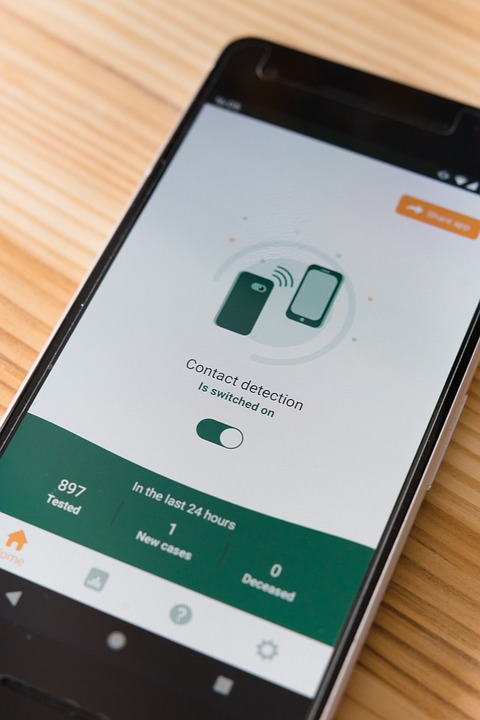
The world is witnessing an unprecedented era of technological advancements, transforming the way we live, work, and interact with one another. The rapid evolution of technology and tools has not only simplified our daily lives but also opened up new avenues for innovation, productivity, and growth. In this article, we will delve into the current state of technology and tools, exploring their impact on various industries and aspects of our lives.
The Rise of Digital Tools
The digital revolution has brought about a plethora of tools that have transformed the way we communicate, collaborate, and access information. The internet, social media, and mobile devices have become an integral part of our daily lives, enabling us to stay connected with others, access vast amounts of information, and perform various tasks with ease. Digital tools such as email, messaging apps, and video conferencing software have revolutionized the way we communicate, making it faster, more convenient, and more efficient.
Artificial Intelligence and Machine Learning
Artificial intelligence (AI) and machine learning (ML) are two of the most significant technological advancements in recent years. AI-powered tools are being used in various industries, including healthcare, finance, and transportation, to automate tasks, analyze data, and make informed decisions. ML algorithms are being used to improve the accuracy of predictions, personalize recommendations, and enhance customer experiences. The potential of AI and ML is vast, and their applications are expected to continue growing in the coming years.
The Internet of Things (IoT)
The Internet of Things (IoT) refers to the network of physical devices, vehicles, home appliances, and other items that are embedded with sensors, software, and connectivity, allowing them to collect and exchange data. The IoT has the potential to transform various industries, including manufacturing, logistics, and healthcare, by enabling real-time monitoring, automation, and optimization. Smart homes, cities, and infrastructure are becoming increasingly popular, with the use of IoT devices and sensors to improve efficiency, safety, and sustainability.
Cybersecurity and Data Protection
As technology advances, cybersecurity and data protection have become major concerns. With the increasing amount of data being generated and stored online, the risk of cyber threats and data breaches has also increased. Cybersecurity tools and technologies, such as firewalls, antivirus software, and encryption, are being used to protect against cyber threats and ensure the confidentiality, integrity, and availability of data.
Industry-Specific Tools and Technologies
Various industries are leveraging technology and tools to improve efficiency, productivity, and customer experiences. For example:
-
- Healthcare: Telemedicine, electronic health records, and medical imaging technologies are transforming the way healthcare is delivered and managed.
-
- Finance: Digital payment systems, online banking, and blockchain technology are revolutionizing the way financial transactions are conducted.
-
- Education: Online learning platforms, virtual classrooms, and educational software are changing the way students learn and interact with educators.
-
- Manufacturing: Industrial automation, robotics, and 3D printing are improving manufacturing efficiency, quality, and productivity.
Conclusion
The evolution of technology and tools has transformed the way we live, work, and interact with one another. As technology continues to advance, we can expect to see even more innovative solutions and applications in various industries and aspects of our lives. However, it is essential to address the challenges and concerns associated with technology, such as cybersecurity, data protection, and digital divide. By embracing technology and tools, we can unlock new opportunities, improve efficiency, and create a better future for ourselves and future generations.
Future Outlook
The future of technology and tools is exciting and promising. Emerging technologies such as quantum computing, augmented reality, and 5G networks are expected to revolutionize various industries and aspects of our lives. As we move forward, it is essential to prioritize innovation, collaboration, and responsible use of technology to ensure that its benefits are equitably distributed and its risks are mitigated. By doing so, we can create a brighter, more sustainable, and more connected future for all.