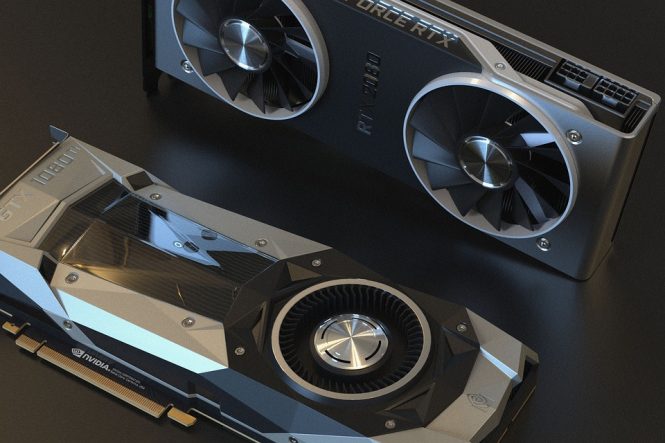
The Great Graphics Card Shortage: What’s Behind the Crisis?
The world of computer hardware has been plagued by a severe shortage of graphics cards, leaving gamers, cryptocurrency miners, and professionals alike scrambling to get their hands on the latest and greatest GPUs. The shortage, which began in 2020, has shown no signs of abating, with prices skyrocketing and availability dwindling. But what’s behind this crisis, and when can we expect relief?
The Perfect Storm
The graphics card shortage is the result of a perfect storm of factors, each contributing to the current crisis. Here are some of the key players:
- COVID-19 Pandemic: The pandemic has disrupted global supply chains, leading to manufacturing delays and shortages of critical components, including graphics cards. With many countries imposing lockdowns and travel restrictions, the production and distribution of GPUs have been severely impacted.
- Cryptocurrency Mining: The rise of cryptocurrency mining has created an insatiable demand for high-performance graphics cards. Miners use these cards to solve complex mathematical equations, which requires massive amounts of processing power. As a result, miners have been buying up graphics cards in bulk, leaving few for other users.
- Gaming Demand: The gaming industry has experienced a surge in popularity, driven by the growth of esports, cloud gaming, and the increasing adoption of 4K and ray tracing technologies. This has led to a significant increase in demand for high-end graphics cards, further exacerbating the shortage.
- Component Shortages: The production of graphics cards relies on a complex web of component suppliers, including memory manufacturers, printed circuit board (PCB) suppliers, and semiconductor foundries. Shortages of these components, such as GDDR6 memory and PCIe 4.0 controllers, have limited the production of graphics cards.
- Manufacturing Capacity: The major graphics card manufacturers, including NVIDIA and AMD, have struggled to keep up with demand. Their manufacturing partners, such as TSMC and Samsung, have been operating at or near full capacity, making it difficult to ramp up production quickly.
Consequences of the Shortage
The graphics card shortage has had far-reaching consequences, affecting not only gamers and miners but also professionals who rely on graphics cards for their work, such as:
- Price Inflation: The shortage has led to a significant increase in prices, with some graphics cards selling for double or even triple their recommended retail price.
- Limited Availability: Many retailers have been unable to keep graphics cards in stock, leading to frustration and disappointment for consumers.
- Delayed Product Launches: The shortage has forced some manufacturers to delay the launch of new products, including graphics cards and laptops.
- Increased Counterfeiting: The shortage has created an opportunity for counterfeiters to flood the market with fake or refurbished graphics cards, which can be difficult to distinguish from genuine products.
When Will the Shortage End?
While it’s difficult to predict exactly when the shortage will end, there are signs that the situation is slowly improving. NVIDIA and AMD have announced plans to increase production, and some manufacturers have begun to implement measures to prevent miners from buying up all the available stock.
In the short term, consumers can expect to see some relief as manufacturers ramp up production and new products are released. However, the shortage is likely to persist for several months, and prices may remain elevated until demand returns to more normal levels.
What Can You Do?
If you’re in the market for a new graphics card, here are some tips to help you navigate the shortage:
- Be Patient: Keep an eye on retailers and online marketplaces for availability, and be prepared to act quickly when stock becomes available.
- Consider Alternatives: Look into alternative graphics cards or older models, which may be more readily available and cheaper.
- Avoid Counterfeit Products: Be cautious when buying from third-party sellers, and ensure that you’re purchasing from authorized retailers or directly from the manufacturer.
- Support Manufacturers’ Efforts: Encourage manufacturers to prioritize sales to individual consumers rather than bulk buyers, which can help to alleviate the shortage.
In conclusion, the Great Graphics Card Shortage is a complex issue with multiple factors contributing to the crisis. While it’s unlikely to be resolved overnight, manufacturers are working to increase production, and consumers can take steps to navigate the shortage. As the situation evolves, we can expect to see some relief, but for now, patience and perseverance are key.