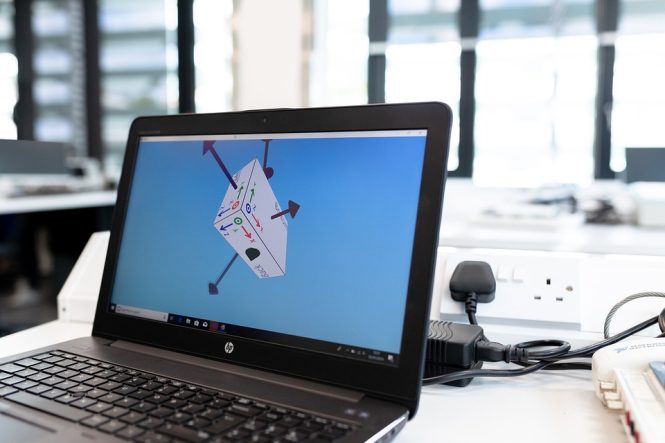
The healthcare industry has undergone significant transformations in recent years, and one of the primary drivers of this change is software. The integration of software solutions has revolutionized the way healthcare professionals work, interact with patients, and manage medical data. In this article, we will explore the impact of software on the healthcare industry and how it is transforming the way healthcare is delivered.
Streamlining Clinical Operations
Software has simplified clinical operations by automating tasks, improving communication, and enhancing patient care. Electronic Health Records (EHRs) are a prime example of this. EHRs allow healthcare professionals to access and manage patient records electronically, reducing errors, and improving the quality of care. Additionally, software solutions like telemedicine platforms have enabled remote consultations, expanding access to healthcare services and reducing the need for in-person visits.
Imaging and Diagnosis
Advanced imaging and diagnostic software have significantly improved the accuracy and speed of medical diagnoses. Computer-aided detection (CAD) software, for instance, helps radiologists identify potential health issues by analyzing medical images. Moreover, artificial intelligence (AI) and machine learning (ML) algorithms are being used to develop predictive models that can identify high-risk patients and enable early intervention.
Personalized Medicine
Software is also playing a crucial role in personalized medicine, where treatments are tailored to an individual’s unique genetic profile. Genomic analysis software helps healthcare professionals analyze genetic data, identify genetic mutations, and develop targeted treatments. This approach has shown promise in treating complex diseases like cancer, where personalized treatments can lead to better outcomes and improved patient survival rates.
Data Analytics and Insights
The healthcare industry generates vast amounts of data, and software is helping to make sense of this data. Advanced analytics and data visualization tools enable healthcare professionals to gain insights into patient behavior, treatment outcomes, and population health trends. This information can be used to optimize care pathways, reduce healthcare costs, and improve patient outcomes.
Cybersecurity and Patient Data Protection
As software becomes increasingly integral to healthcare, cybersecurity is becoming a major concern. Healthcare organizations must ensure that patient data is protected from cyber threats and data breaches. Software solutions like encryption, firewalls, and access control systems are being used to safeguard patient data and prevent unauthorized access.
Examples of Innovative Software Solutions
Several innovative software solutions are transforming the healthcare industry. Some examples include:
-
- Medtronic’s Sugar.IQ: A diabetes management app that uses AI to predict blood glucose levels and provide personalized insights.
-
- IBM Watson for Oncology: A cloud-based platform that uses AI to analyze cancer treatment options and provide evidence-based recommendations.
-
- Teladoc: A telemedicine platform that enables remote consultations and expands access to healthcare services.
Conclusion
Software is revolutionizing the healthcare industry by streamlining clinical operations, improving diagnostic accuracy, and enabling personalized medicine. As the industry continues to evolve, we can expect to see even more innovative software solutions emerge. While there are challenges to be addressed, such as cybersecurity and data protection, the benefits of software in healthcare are undeniable. By embracing software solutions, healthcare professionals can improve patient outcomes, reduce costs, and enhance the overall quality of care.
The Future of Healthcare
The future of healthcare is digital, and software will play a vital role in shaping this future. As we move forward, we can expect to see increased adoption of AI, ML, and IoT technologies in healthcare. These technologies will enable healthcare professionals to make more informed decisions, develop more effective treatments, and improve patient care. The software revolution in healthcare has only just begun, and it will be exciting to see the impact it will have on the industry in the years to come.